


Do You Really Need a Dental Crown? Signs a Filling Isn’t Enough
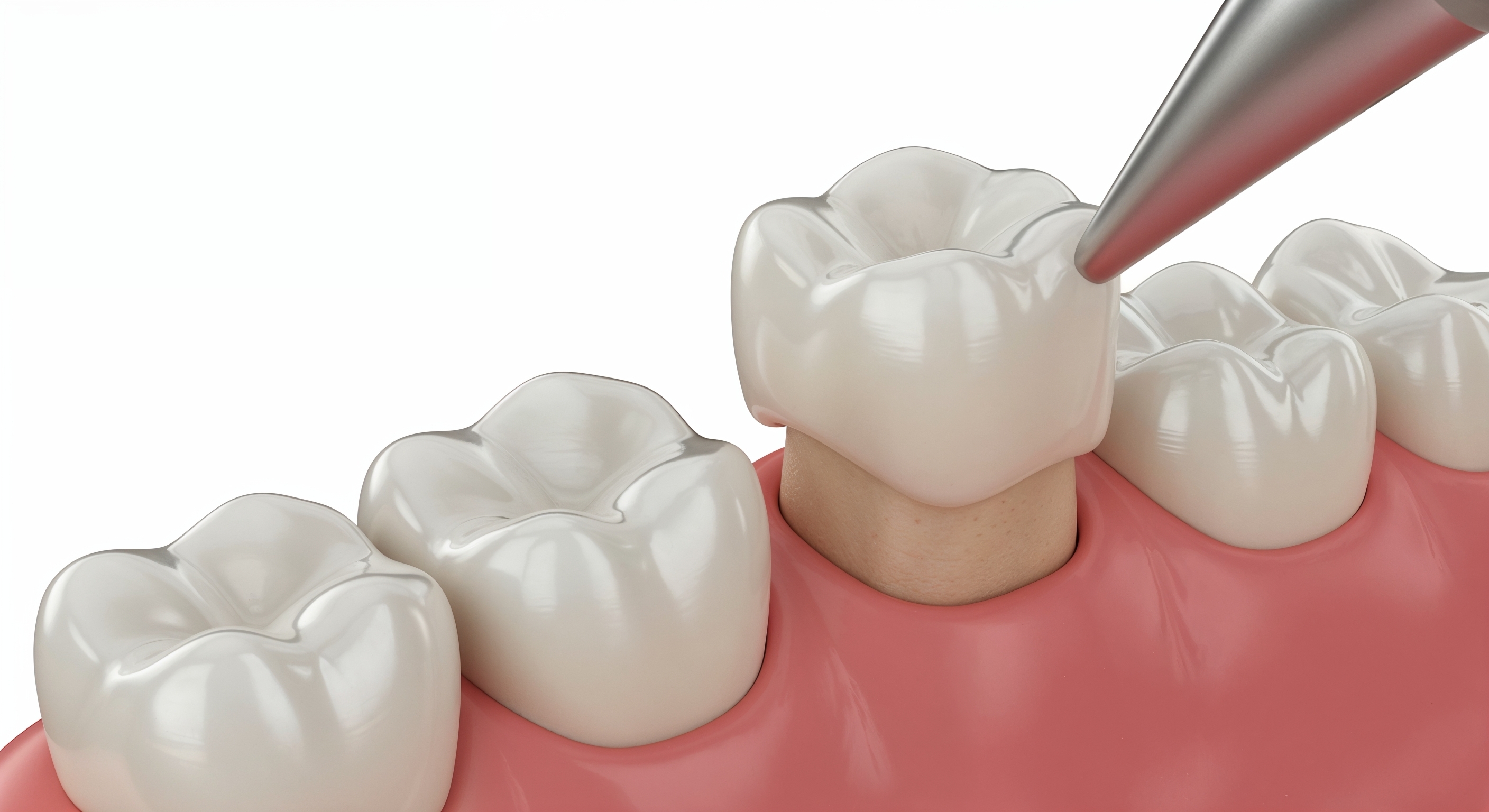
When you have a damaged or decayed tooth, a filling may seem like the simplest solution. Fillings are effective for repairing small to moderate areas of decay, but they are not always strong enough to protect a tooth long term. In some cases, a dental crown may be the better option because it covers and supports more of the tooth structure.
For patients in Tremonton, understanding when a filling is not enough can help prevent future pain, fractures, and more extensive dental treatment. At River Valley Dental, we focus on conservative, caring, and comprehensive dentistry so patients can make informed decisions about their oral health.
What Is The Difference Between A Filling And A Dental Crown?
A filling repairs a specific area of the tooth after decay or minor damage has been removed. It is placed directly into the tooth to restore the missing portion. This works well when there is enough healthy tooth structure left to support normal biting and chewing.
A dental crown, sometimes called a cap, covers the visible portion of the tooth. It is designed to strengthen, protect, and restore a tooth that has been weakened by damage, decay, cracks, or a large previous filling. While a filling repairs part of the tooth, a crown gives the tooth more complete coverage.
Signs A Filling May Not Be Enough
Not every damaged tooth needs a crown, but certain warning signs may suggest that a filling will not provide enough support. A dentist can evaluate the tooth, take X-rays if needed, and recommend the most appropriate option.
You may need a dental crown instead of a filling if you have:
- A large cavity that removes too much tooth structure
- A cracked, fractured, or weakened tooth
- An old filling that is failing or taking up most of the tooth
- Pain when biting or chewing
- A tooth that has had root canal treatment
- A worn-down tooth from grinding or clenching
- Repeated decay around an existing filling
If you notice these concerns, scheduling a dental exam in Tremonton can help determine whether a crown, filling, or another option is best.
Why Large Fillings Can Weaken A Tooth
A filling depends on the surrounding tooth for support. When a cavity is small, there is usually enough healthy enamel and dentin to hold the filling securely. When decay is larger, the remaining tooth may become thin or fragile.
A large filling can sometimes act like a wedge, placing extra pressure on the remaining tooth structure during chewing. Over time, this can increase the risk of cracks or fractures. A dental crown may be recommended when the tooth needs more strength than a filling can provide.
Cracked Or Broken Teeth Often Need More Support
A cracked tooth can be difficult to judge on your own. Some cracks cause sharp pain when biting, while others only create occasional sensitivity. If the tooth is cracked, chipped, or missing a significant portion, placing another filling may not be enough to keep it stable.
A crown can help hold the tooth together, protect it from further damage, and restore a more natural shape. Treating a cracked tooth early may also help reduce the chance of the crack spreading deeper.
Dental Crowns After Root Canal Treatment
Teeth that have had root canal treatment are often more vulnerable to fracture, especially molars and premolars that handle heavy chewing forces. In many cases, a crown is recommended after a root canal to protect the tooth and restore function.
This does not mean every tooth needs the same treatment. Your dentist will consider the tooth’s location, remaining structure, and biting pressure before recommending a crown.
How Your Dentist Decides What You Need
The decision between a filling and a dental crown depends on the amount of damage, the strength of the remaining tooth, your bite, and your long-term oral health needs. At River Valley Dental in Tremonton, we take time to explain your options and recommend care that supports both comfort and durability.
If a filling is enough, your dentist may recommend that more conservative option. If the tooth needs additional protection, a crown may help preserve it and prevent future complications.
Schedule an appointment with River Valley Dental in Tremonton, UT by calling (435) 257-7344. Visit us at 525 North 400 West, Tremonton, UT 84337.


Phone
Fax
435.919.1135
Hours
Mon, Tue, Thu 8:00 AM - 5:00 PM
Fri 8:00 AM - 4:00 PM
© 2025 River Valley Dental. All rights Reserved.
Accessibility Statement - Privacy Policy - Sitemap
Powered by
