


How Long Do Implant-Supported Dentures Last? What Tremonton Patients Should Know
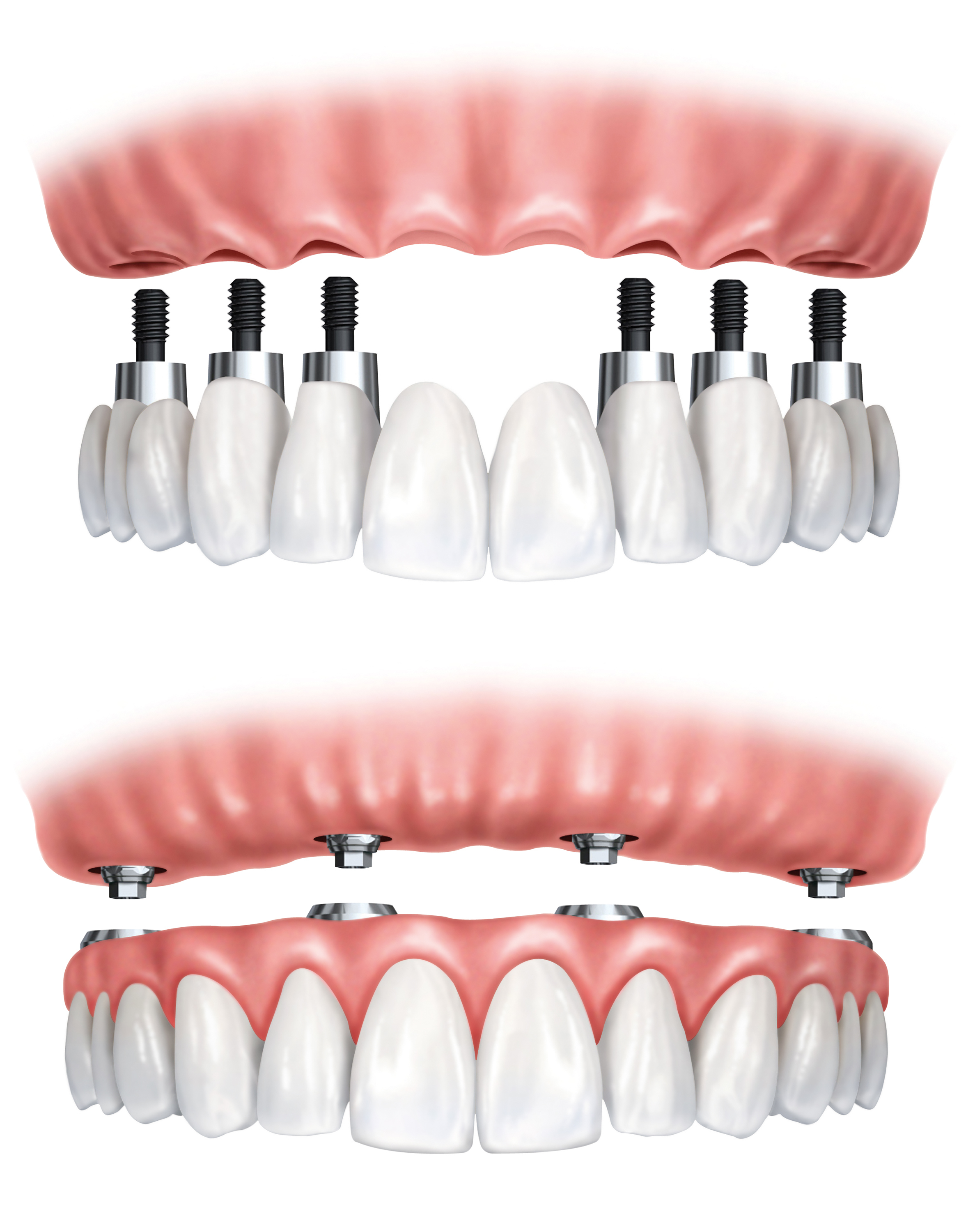
Implant-supported dentures are designed to provide greater stability than traditional dentures while restoring the appearance and function of missing teeth. For patients considering this treatment, one common question is how long implant-supported dentures can be expected to last. The answer depends on the health of the dental implants, the condition of the denture, daily habits, and ongoing dental care.
The Implants and Denture Have Different Lifespans
An implant-supported denture consists of dental implants placed in the jawbone and a customized denture that attaches to those implants. These components do not necessarily wear at the same rate.
With proper oral hygiene and regular dental care, the dental implants can remain stable for many years and, in some cases, for a lifetime. The denture portion experiences daily pressure from biting, chewing, and cleaning, so it may eventually require adjustment, repair, or replacement.
For Tremonton patients, routine dental visits allow us to evaluate both the implants and the restoration so small concerns can be addressed before they become larger problems.
What Affects How Long Implant-Supported Dentures Last?
The longevity of implant-supported dentures varies from person to person. Factors that can affect their lifespan include:
- Daily brushing and cleaning around the implants and denture
- Regular dental exams and professional cleanings
- Gum and jawbone health
- Teeth grinding or clenching
- Smoking or tobacco use
- Biting excessively hard foods or objects
- Normal wear on the denture teeth and other components
Maintaining healthy gums is especially important because the tissues and bone surrounding the implants help provide their long-term support.
Why Regular Dental Visits Matter
Even when implant-supported dentures continue to feel comfortable, they should still be examined regularly. The denture teeth can gradually wear, attachment components may need maintenance, and changes in the gums or supporting tissues can affect the restoration over time.
During your dental visits, we can evaluate how the denture fits, check the health of the tissues surrounding the implants, and look for signs of excessive wear or damage. Addressing these changes early can often help extend the useful life of the restoration.
Signs Your Implant-Supported Dentures Need Attention
Schedule a dental evaluation if your implant-supported dentures begin to feel loose, uncomfortable, or different when you bite. Cracks, worn denture teeth, difficulty chewing, persistent gum irritation, or changes around an implant should also be checked.
A problem with the denture does not always mean the implants themselves need to be replaced. In some cases, the restoration or attachment system may simply need an adjustment or repair.
Protecting Your Investment in Your Smile
Good home care plays an important role in keeping implant-supported dentures functioning properly. Follow the cleaning instructions provided by your dentist, keep the tissues around your implants clean, and maintain routine dental visits. Avoid trying to adjust or repair the denture yourself, since doing so could damage the restoration or affect its fit.
If you are considering implant-supported dentures or want to have your current restoration evaluated, schedule an appointment with River Valley Dental in Tremonton, UT, at (435) 257-7344.


Phone
Fax
435.919.1135
Hours
Mon, Tue, Thu 8:00 AM - 5:00 PM
Fri 8:00 AM - 4:00 PM
© 2025 River Valley Dental. All rights Reserved.
Accessibility Statement - Privacy Policy - Sitemap
Powered by
